How to trace a claim when you remember it but can’t place the source.
Suppose you mention in a meeting that a company is moving to a four-day week.
“Where did you hear that?”
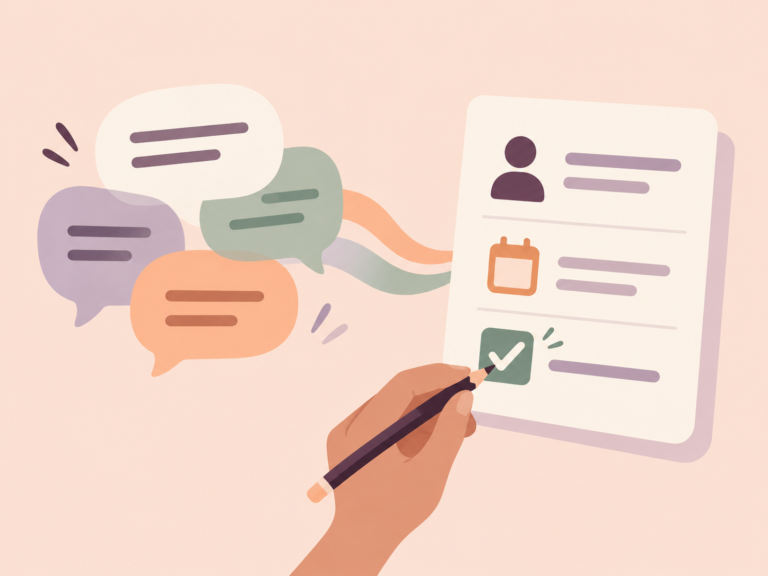
You can almost picture the article. Or was it a newsletter? A colleague mentioned it too. You remember the claim, but you can’t say where it came from.
What you’re trying to remember
You might recall the layout of a page, the person who was speaking, or what you thought as you read. Those details help you judge where the information came from. Psychologists call this source monitoring.
The source-monitoring framework developed by Johnson and colleagues explains how that judgment can go wrong. A thought you had while reading can later seem like something the author said. You may remember a conversation without remembering that the speaker was only speculating.
Check the wording, not just the source
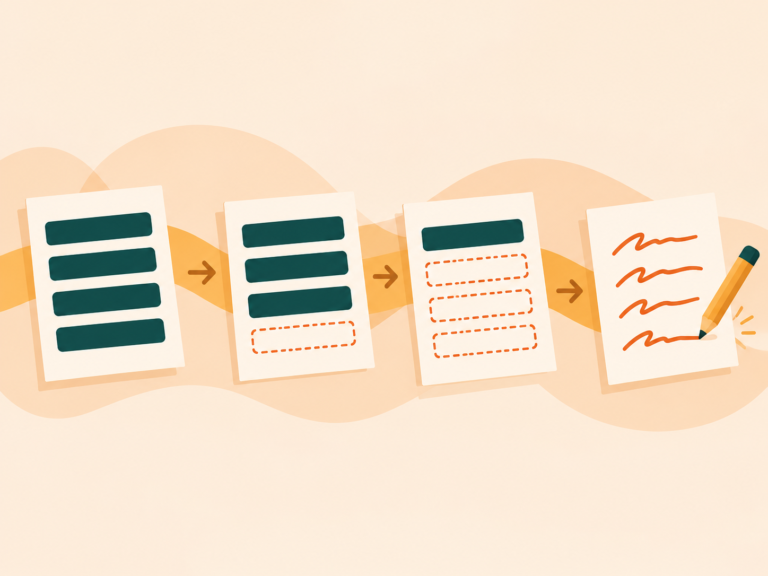
Before searching, write the claim in one sentence: “The whole company is switching to four days.” You’ll need to compare that wording with what the source actually says.
Work from the clue you have. Search your inbox for the company name, check the messages around the conversation you remember, or ask the colleague where they saw it. If you remember only a headline, treat it as a lead until you’ve read the piece.
In this example, the newsletter links to a company announcement. Read the announcement rather than relying on the summary. Two details change the claim:
- Who is included? One department, not the whole company.
- What has been decided? A trial, not a permanent switch.
You can now say, “The company has announced a four-day-week trial in one department,” and point to the announcement. That establishes what the company announced. It doesn’t establish that the trial has begun, let alone that it works.
An original source can still be wrong or overstate its case. Our guide to verifying AI-assisted research covers checking the underlying evidence once you’ve found it.
If you can’t find a source, say so: “I remember reading about this, but I can’t find the source.” That may be enough for a casual conversation. If a decision depends on it, flag the claim as unverified and check it before relying on it.
You heard it three times. How many sources is that?
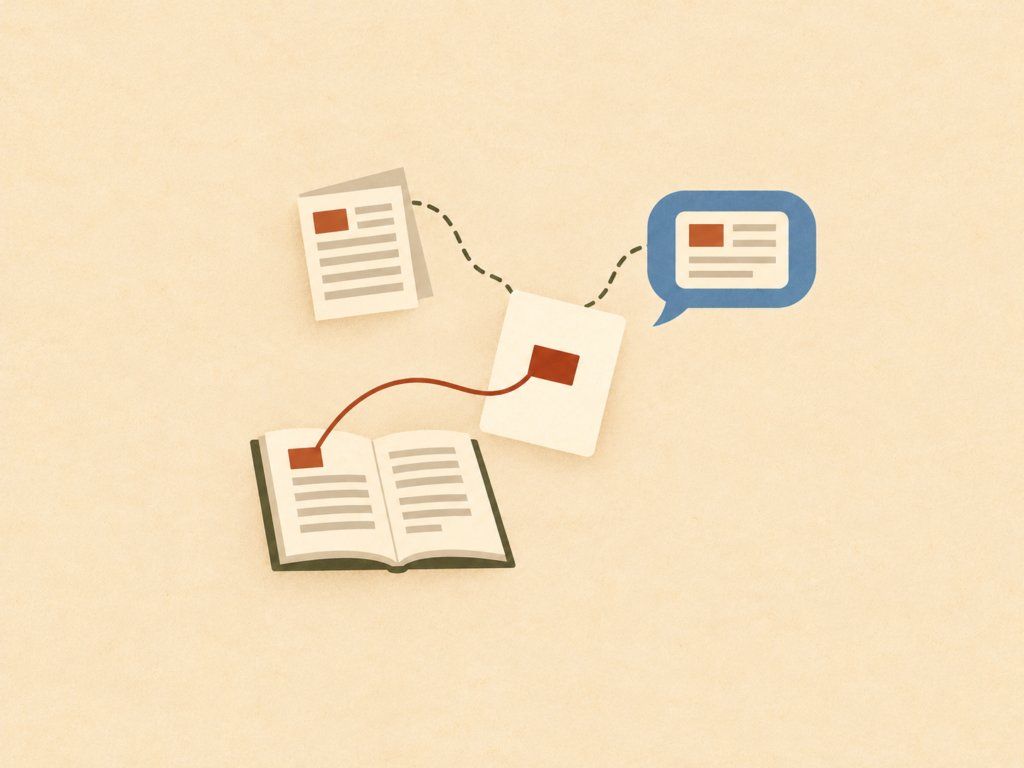
Your colleague turns out to have read the same newsletter. The announcement, newsletter and conversation gave you three encounters with the story, but the later mentions added no independent evidence.
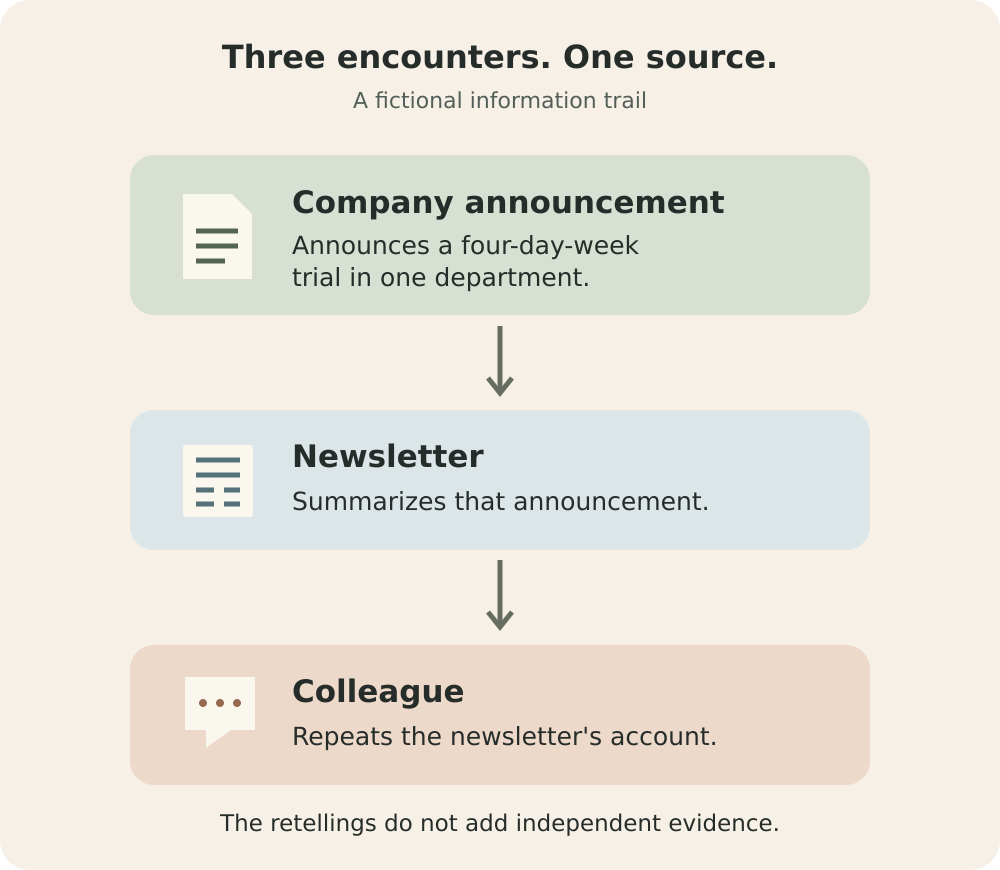
The newsletter and conversation both trace back to the company announcement.
A reporter who interviews participating staff about their schedules would add independently gathered evidence about whether the trial had begun. Another article quoting the announcement would not.
Repetition can also make a statement feel more convincing. In a 2015 study by Lisa Fazio and colleagues, participants rated repeated false trivia statements as more truthful than new ones, even when they knew the correct facts. Knowing the facts still improved accuracy; it did not remove the repetition effect.
This is the illusory truth effect. The study tested judgments about trivia statements, not source memory or workplace decisions. The practical question here is whether another mention brings new evidence or repeats what you’ve already seen.
Save the claim with its limits
When you save a source, add a short note about what it supports and what it leaves unanswered. For the four-day-week story:
Claim: The company has announced a four-day-week trial in one department.
Source: Company announcement; include its date and a link to the passage describing the trial.
Limit: This is the announced plan, not confirmation that the trial has begun or produced results.
This is our suggested way to keep a claim and its limits together; the studies cited here didn’t test this note format.
If you add an interpretation such as “Other employers may follow,” label it as your prediction. Keep it separate from what the announcement says.
Keep the note in the tool you already use.
You don’t need this level of detail for everything you read. Use it for claims you expect to quote, share or act on. Before reusing a time-sensitive claim, reopen the source: the trial may have ended since you saved it.